AI Can't Wear a Hard Hat: Why Occupational Health and Safety is a Career for the AI Era
September 4, 2026
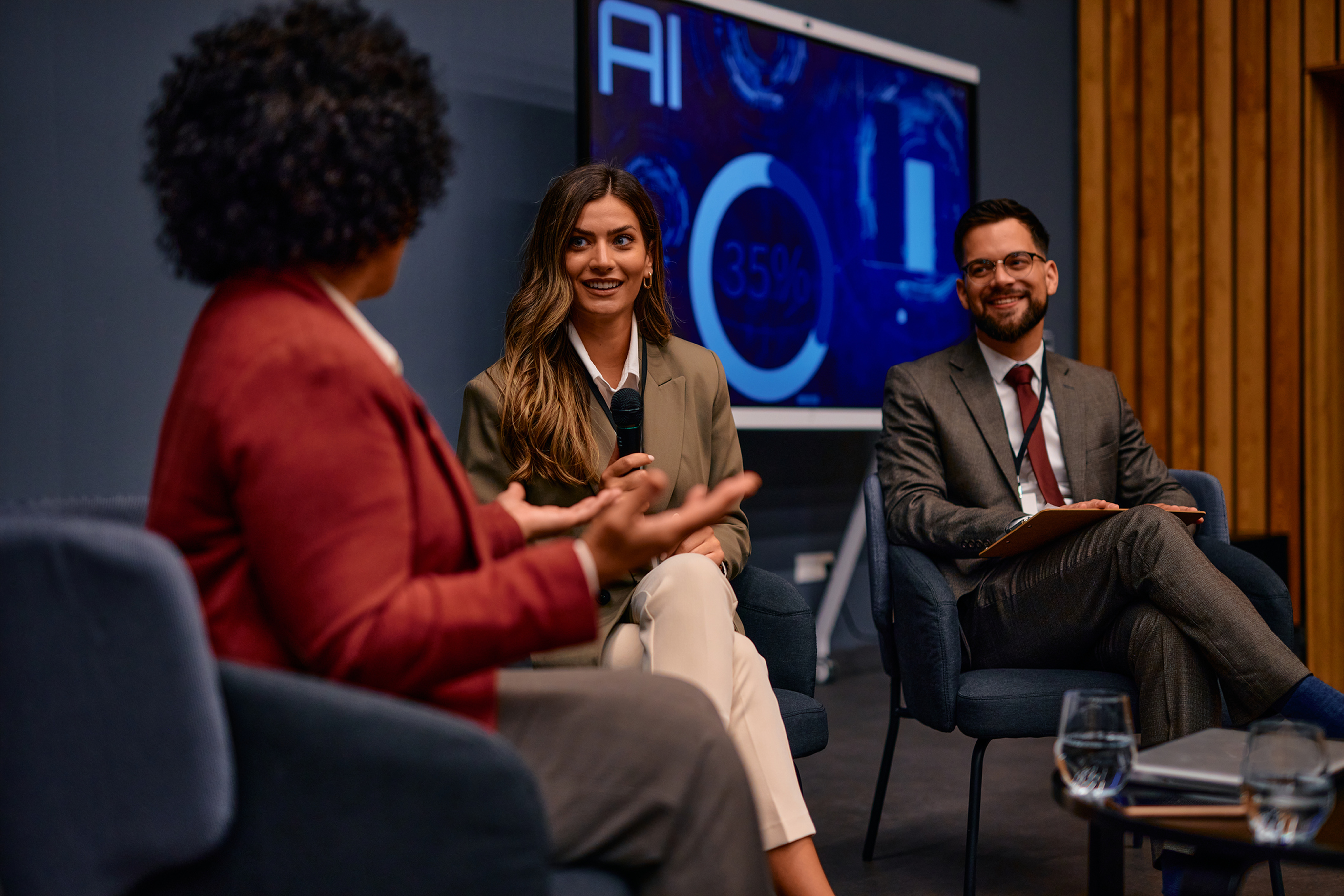
The rise of artificial intelligence has many people worried about the future of their jobs. In occupational health and safety, however, AI is more likely to support professionals than replace them. While AI can help OHS professionals identify risks and analyze information, it can’t replace the human judgement, communication, compassion, and contextual understanding that the job requires.
Why OHS Requires Human Judgment
Dr. Chun Hon, an Academic Coordinator at The Chang School, gives several reasons for why OHS professionals will continue to play an essential role in the workplace despite the evolution of AI.
“Even if you have a spill in the workplace or someone gets hurt, what led to that event and what you’re doing to prevent it will differ, even if it’s in the same workplace,” says Chun. “You need an individual who has knowledge of health and safety to actually assess the situation, do the incident investigation, and come up with solutions that are feasible and appropriate for that particular workplace or task. I don’t think AI at this moment in time can do that.”
Chun adds that even though AI is based on previous information that’s found on the web, specific information related to workplace incidents and investigations and other OHS-related matters aren’t often placed on the web that AI would be able to draw from.
While AI can support certain tasks, it cannot obtain the complex, context-specific information needed to take the place of an occupational health and safety professional.
“I see AI as a tool but I don’t think it will phase out this profession in any shape or form.”
– Dr. Chun-Yip Hon, Academic Coordinator for Occupational Health and Safety, The Chang School
Besides information, technology also can’t replace human connection needed for success in this profession.
The Human Side of Workplace Safety
The ability to communicate clearly to workers and management is also fundamental to the role of a safety professional. For example, when someone is injured or concerned about workplace conditions, compassion and personal connection matter – something AI can’t replicate.
The ability to empathize also relies on unique traits about every situation that AI might not have insight into. The human-centred aspect of OHS is one of the reasons the profession remains resilient as AI advances.
“You need that personal connection,” says Chun.
So if AI isn’t replacing OHS professionals, how can it help them?
AI Isn’t the Enemy: It’s a Tool for Safer Workplaces
According to Chun, AI has the potential to become a valuable tool in the world of occupational health and safety, particularly when it comes to monitoring risks, improving compliance, and identifying trends.
One example is wearable technology that can monitor factors such as a worker’s heart rate, internal temperature, or respiration levels. This information can then be used to alert workers or supervisors when conditions indicate that someone may need a break or other intervention before a situation becomes more serious.
AI can also support workplace compliance efforts. In some environments, AI-enabled systems can help identify whether workers are wearing the appropriate personal protective equipment (PPE) and flag potential violations. Rather than replacing safety professionals, these systems provide another layer of protection that can help prevent incidents before they occur.
Another promising application is data analysis. Organizations collect large amounts of information about workplace injuries, incidents, and near misses. AI can analyze this data to identify patterns that might otherwise go unnoticed, such as incidents occurring within a specific department, at a certain time of day, or among a particular group of workers.
By uncovering these trends more quickly, OHS professionals can focus their efforts on targeted prevention strategies instead of spending countless hours manually reviewing data.
“AI can hopefully provide those trends for you,” says Chun. “Then you can go in and help put those prevention practices in place.”
As Workplaces Evolve, Safety Professionals Will Too
The growing use of automation and robotics is already changing many workplaces, but that doesn’t mean the need for health and safety professionals is disappearing.
In fact, automation can help reduce some of the most common workplace hazards. Robots can take on tasks involving heavy lifting, repetitive movements, awkward postures, or exposure to hazardous substances, reducing the risk of injury for workers.
While some manual tasks may become automated, new responsibilities emerge alongside new technologies. Equipment still needs to be maintained, monitored, supplied, and operated by people. Safety professionals also play an important role in ensuring these new systems are introduced and used safely to reduce the risk of health and safety incidents altogether.
For OHS professionals, the role may evolve, but the need for human oversight, decision-making, and expertise remains.
Demand Remains Across Industries
Although economic uncertainty continues to affect many sectors, Chun says he still sees opportunities for OHS professionals across a wide range of industries.
Construction, manufacturing, consulting, and government organizations continue to seek professionals with occupational health and safety expertise, according to the Board of Registered Safety Professionals and the Government of Canada Job Bank. As workplaces adapt to new technologies and changing regulations, organizations still need people who can identify hazards, investigate incidents, and develop strategies to protect workers.
Success in the field depends on having the right combination of education, experience, and practical knowledge, but the demand for those skills remains strong.
The continued presence of these opportunities reinforces an important point: AI is changing the way work gets done, but it is not eliminating the need for occupational health and safety professionals.
Creating Safer Workplaces for Everyone
Ironically, the ultimate goal of an occupational health and safety professional is to create a workplace so safe that their expertise is rarely needed.
“The goal of a health and safety professional is to work themselves out of a job,” Chun jokingly says. “If it’s a safe workplace, you don’t have to worry about it at all.”
That goal may never be fully achievable, but it highlights why OHS remains a career built on human judgment, communication, and care for others. AI can help make workplaces safer, more efficient, and more proactive, but it still takes people to understand risks, make decisions, and support workers when it matters most.
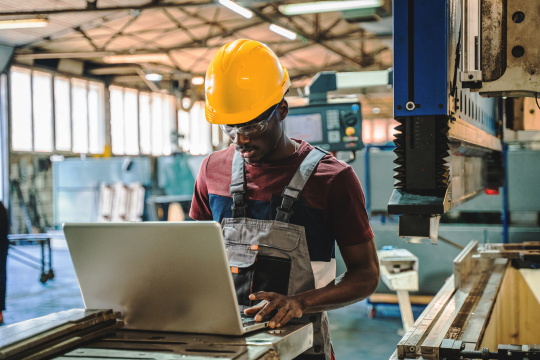
As technology continues to evolve, occupational health and safety professionals will remain at the centre of creating safer workplaces — hard hats and all.
Interested in a career in occupational health and safety? Explore Occupational Health and Safety courses and certificates at The Chang School and gain the skills needed to help organizations create healthier, safer workplaces in an increasingly technology-driven world.
Find Out More About the Certificate in Occupational Health and Safety